Holding the Line: A Design Evolution
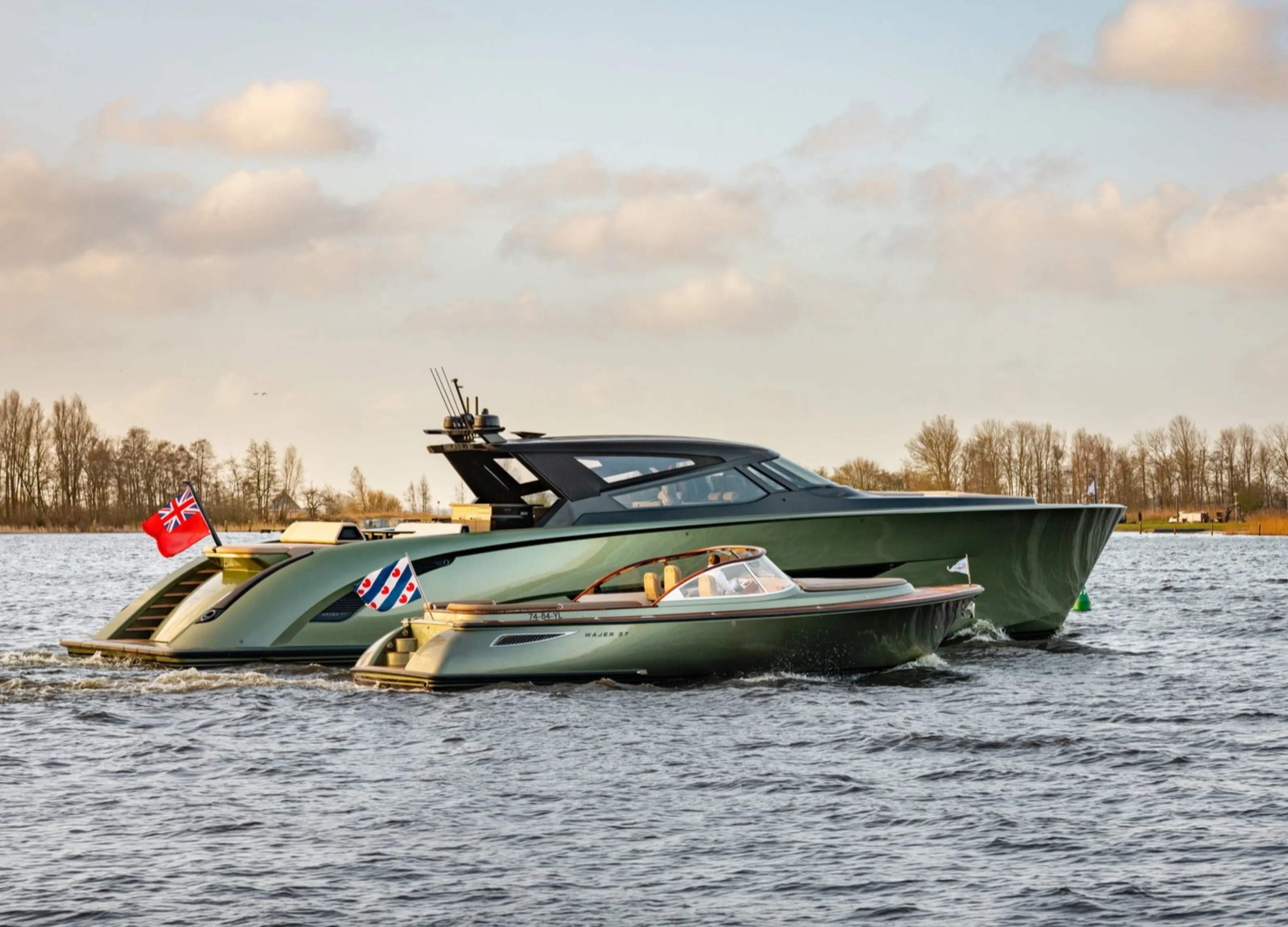
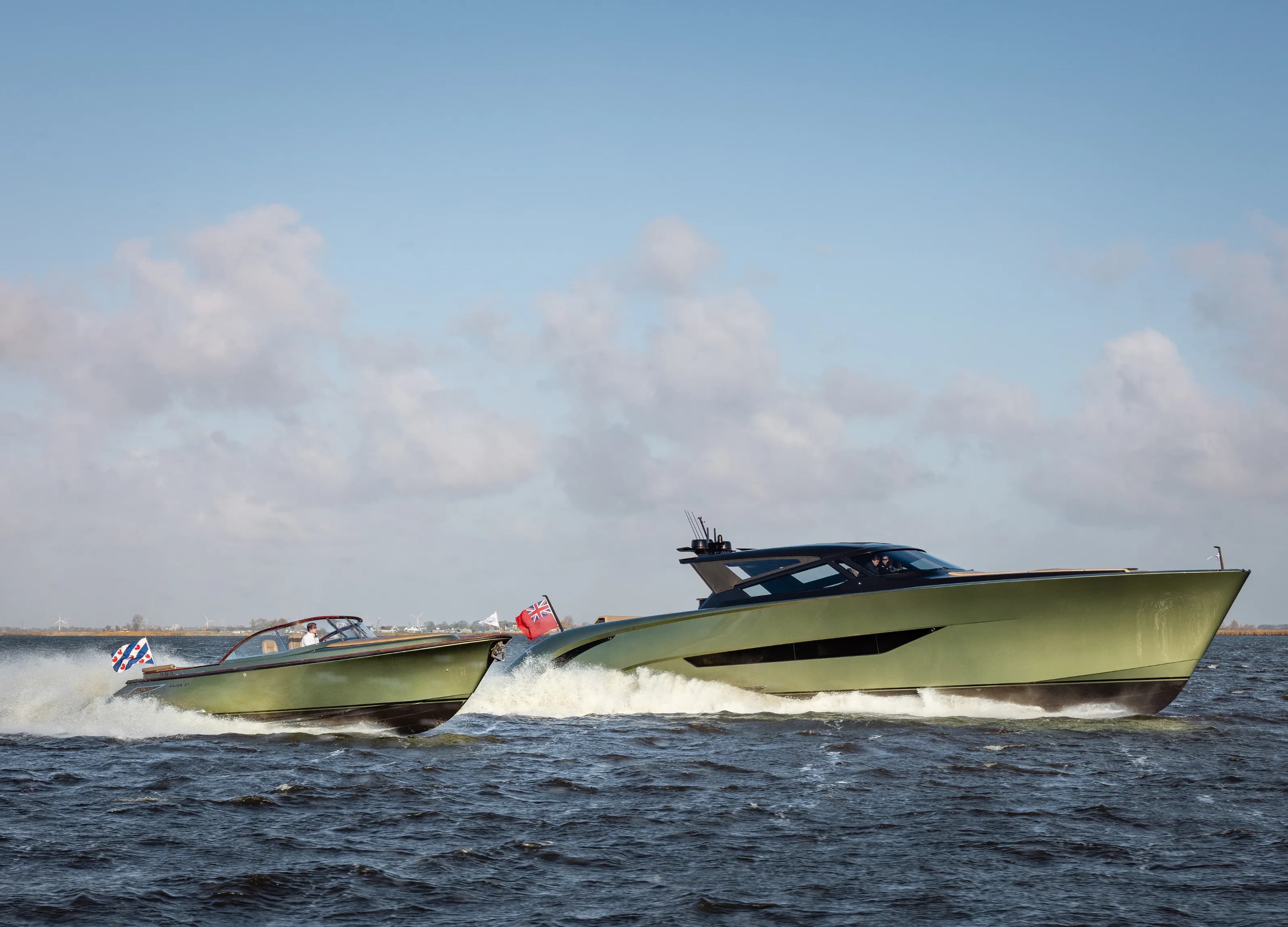
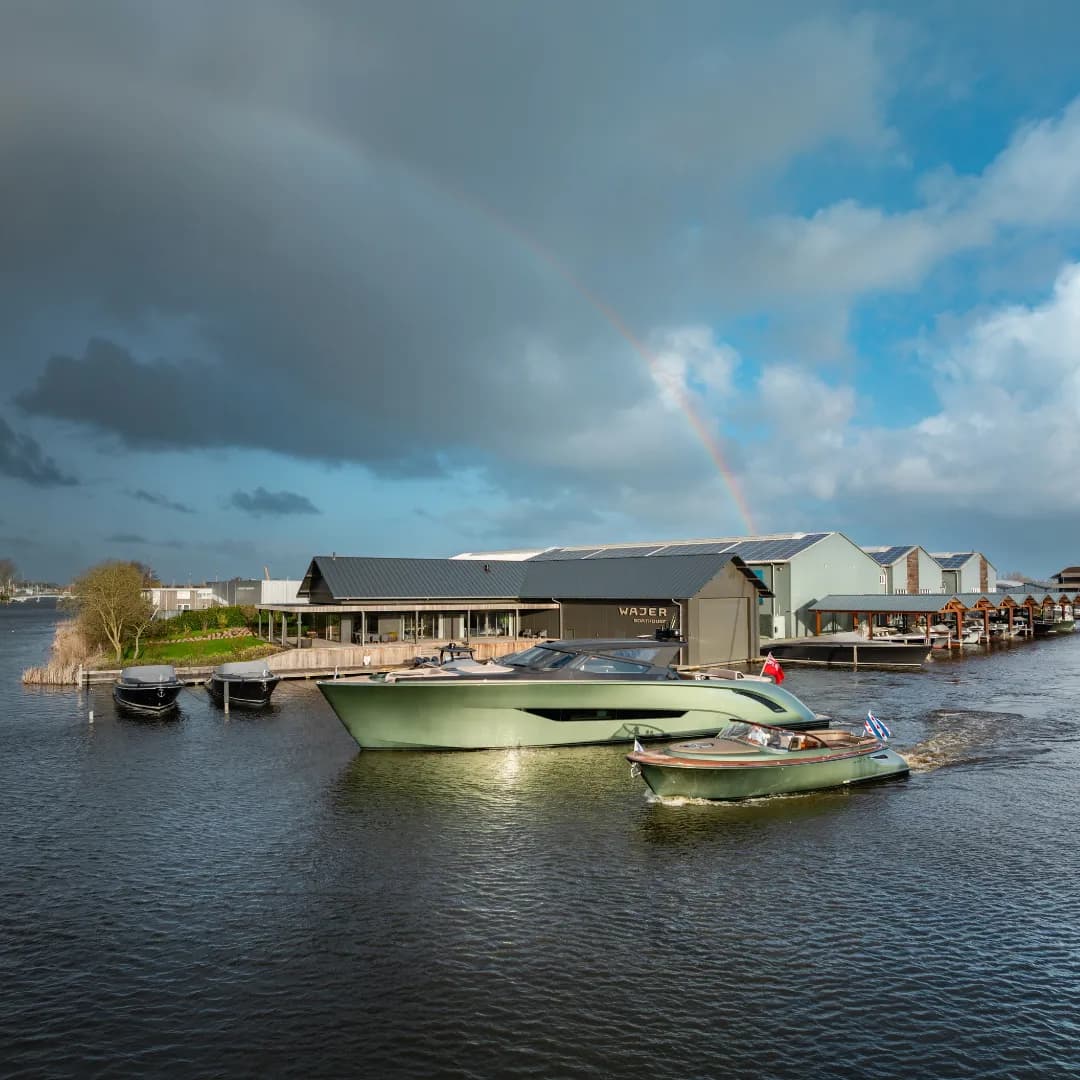
From the Wajer 37 to the Wajer 77, our yachts have grown in size, comfort, and technology. The proportions and flowing lines of the original remain central to their design.
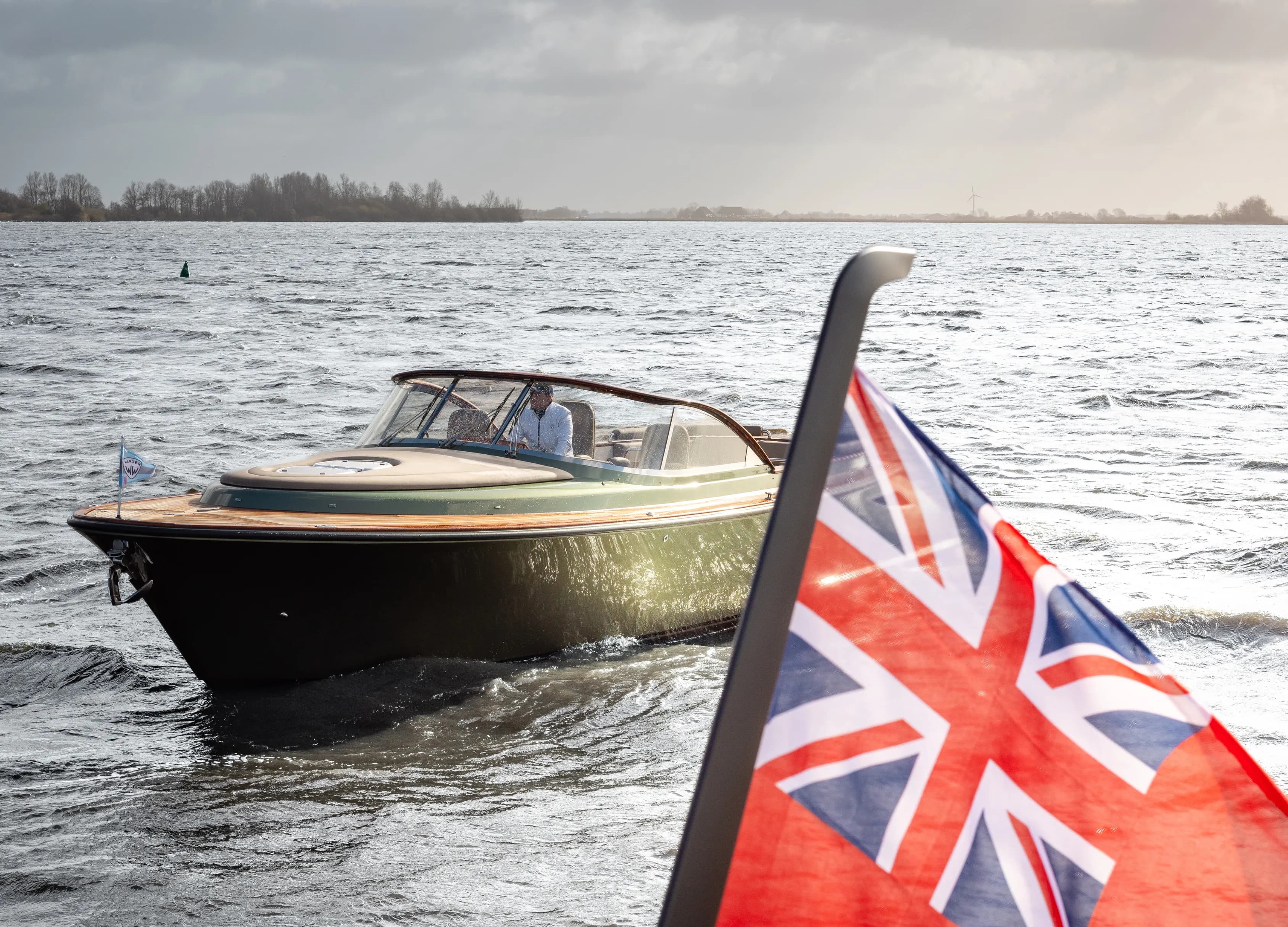
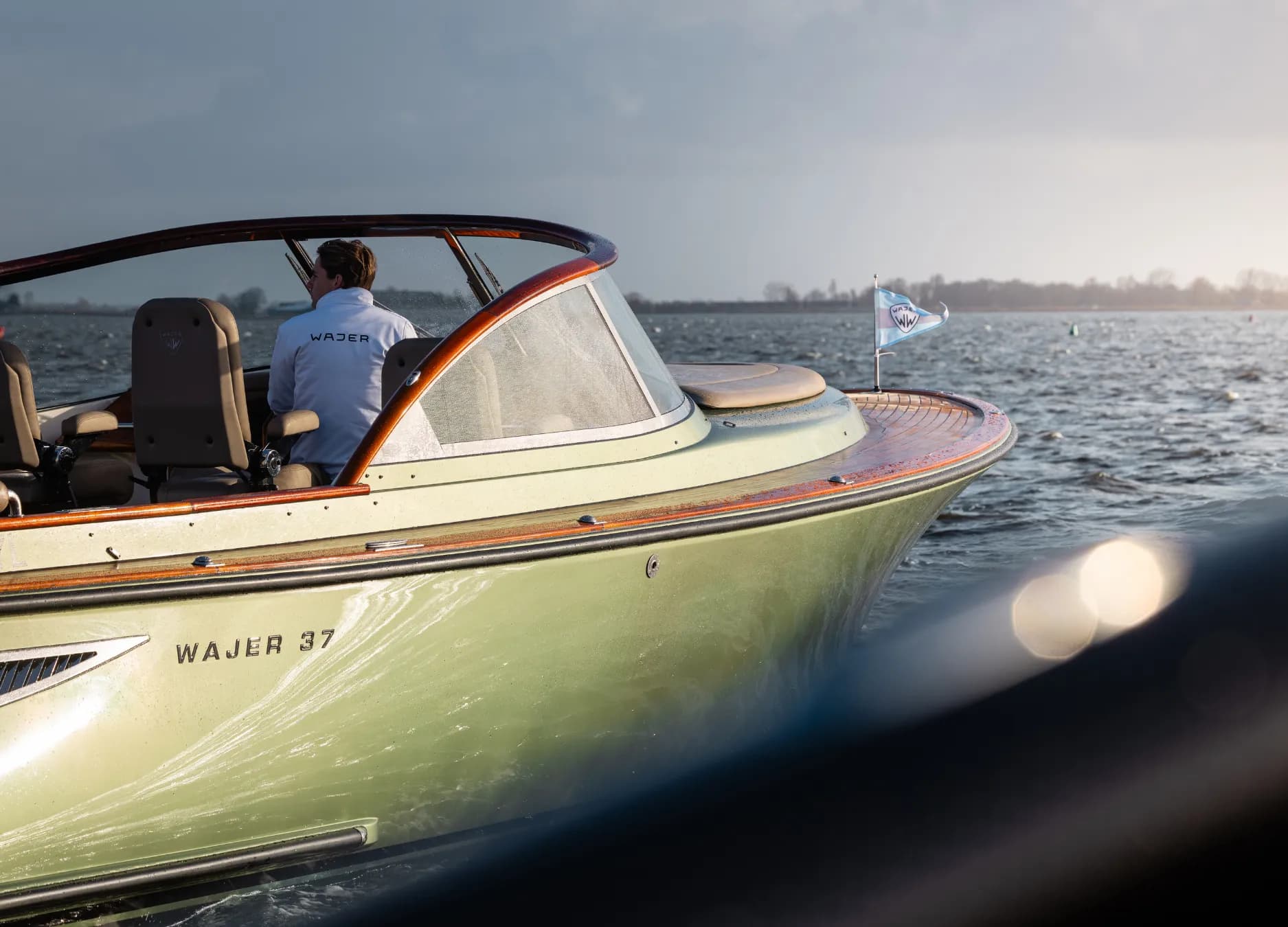
Some boats define a moment. Others define everything that comes after them. When the Wajer 37 was introduced two decades ago, it established a design language that continues to shape every yacht we build today. Named Boat of the Year in 2006, it combined a flared bow, distinctive tumblehome stern, and clean, uninterrupted profile into something that felt both contemporary and unmistakably Wajer. Today, that same DNA lives on in the Wajer 77.
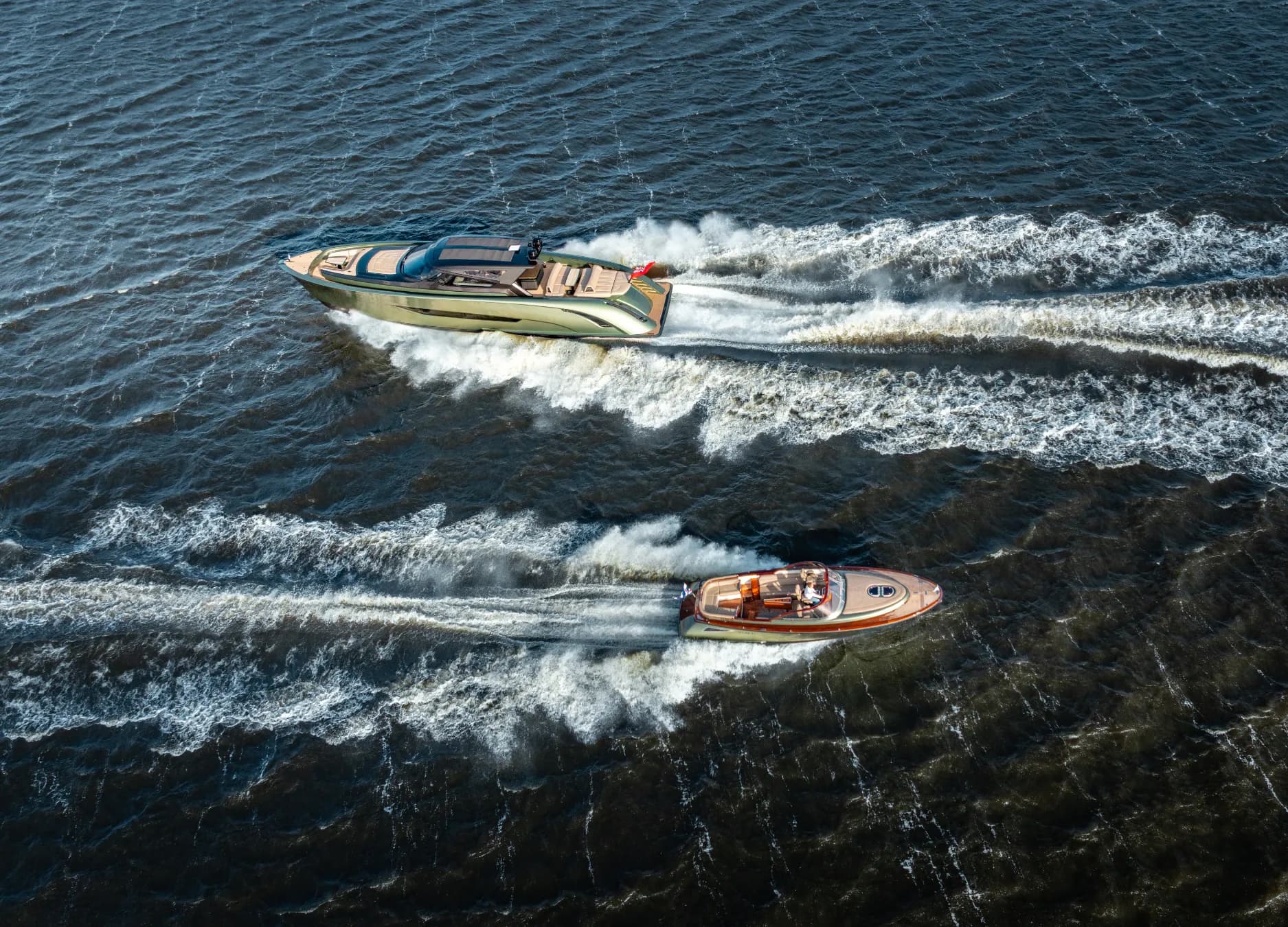
On paper, the two boats have very little in common. One is an 11.3-meter day cruiser; the other is a 23.45-meter flagship designed around extended cruising, with three guest suites, expansive outdoor living spaces, accommodation for six overnight guests, and the ability to carry everything from a Williams 325 jet tender to Seabobs, dive equipment, and kiteboarding gear.
Yet, despite the difference in scale and capability, the connection between them is immediate. For Ronald van Hulst, our Director of Design & Development, that continuity has never been accidental.
“The DNA is actually very simple,” he explains. “The flared bow and tumblehome hull, the flowing, uninterrupted lines. That’s how we started with the 37, and it’s still there on the 38, the 44, the 55, and the 77. It has evolved over the years while maintaining a truly authentic Wajer DNA.”
Protecting The Silhouette
Ask Ronald what has remained non-negotiable over the past two decades, and he doesn't talk about materials or technology. He talks about proportion.
Those signature Wajer lines come with compromises. A flared bow naturally reduces the available volume in the forward sections of the hull, while the tumblehome stern sacrifices usable space aft. From a purely practical perspective, there are easier ways to design a yacht.
"The flare takes volume away from the bow," Ronald explains. "The tumblehome does the same at the stern. Normally you would prioritise as much volume as possible, but that's not what we allow because of the beautiful lines. A Wajer should always be sleek. The lines should flow without interruption, and the freeboard should be as low as possible to make the boat sexy, with a timeless character."
It's a philosophy that has shaped every model in the range. Rather than chasing the largest possible interior, Wajer has consistently prioritised a silhouette that feels balanced, elegant and unmistakably its own. That's a challenge that has only become greater as the yachts become larger.
Growing Without Losing Identity
The Wajer 77 represents a significant step beyond the original 37, not just in size but in how owners use the boat.
Where the 37 was conceived primarily as a day cruiser, the 77 has been designed to maximize time on the water. Outdoor living remains central to the experience, with generous circular seating on the foredeck, large aft lounges, flexible sunbathing areas, and a fully equipped wet bar creating spaces designed to be enjoyed from morning to sunset. Below deck, three spacious suites, high ceilings, privacy glass, and carefully considered work and relaxation spaces allow owners and guests to spend several days comfortably on board.
All of that extra comfort, however, requires more volume. Rather than accepting that visual weight, our design team looked for a solution that preserved the proportions established by the Wajer 37. The answer came in the form of a new knuckle line running along the hull. By creating a subtle shadow, it visually lowers the freeboard, allowing the yacht to retain its sleek appearance despite the significantly larger interior hidden within.
What began as a practical solution for the flagship has since become part of our evolving design language, finding its way onto the latest Wajer 44 and the redesigned Wajer 55.
Ronald compares the process to another instantly recognizable design icon. “If you look at the original Porsche 911, it’s still recognizable as today’s 911,” he says. “The details evolve, but the identity stays the same.”
Complexity Beneath Simplicity
Perhaps the greatest evolution between the Wajer 37 and the Wajer 77 isn’t immediately visible. Designing a larger yacht wasn’t simply about accommodating more guests; it also meant integrating a far greater level of technology.
Today, the Wajer 77 combines Volvo Penta IPS joystick maneuvering and Dynamic Positioning with optional stabilizers, automatic inflatable fenders, a height-adjustable swim platform, integrated tender and toy storage, and one of the quietest interiors in its class, thanks to extensive soundproofing and an interior designed to minimize vibration.
The challenge has never been adding these features. It’s integrating them without disrupting the simplicity of the overall design. “When you place a 37 and a 77 next to each other, the thing that connects them is the clean look,” Ronald says. “You don’t see technical elements. Everything is hidden.”
That philosophy extends throughout the yacht. The latest materials and manufacturing techniques aren’t there to make the design more conspicuous, but to make it more refined. Composite surfaces with a marble look bring the elegance of natural stone without the associated weight, while advances in carbon fiber construction have given our design team greater freedom to create increasingly sculptural forms, particularly around details such as the window frames and other structural elements.
The result is greater design freedom: not to make the yacht appear more complicated, but to make it appear simpler.
Built To Last
Despite the advances in technology, materials, and onboard comfort, Ronald still sees the Wajer 77 as a direct descendant of the yacht that established our distinctive design language.
The proportions remain carefully protected, while the flared bow and tumblehome continue to define the silhouette. Every new feature, whether it’s additional accommodation, expanded toy storage, or a quieter interior, has been introduced without compromising the visual identity that our owners recognize immediately.
Nearly twenty years after the Wajer 37 first appeared, the evolution is obvious. Our yachts are larger, the technology is more sophisticated, and the onboard experience has changed dramatically. Yet the quality Ronald returns to time and again is remarkably simple: a clean, uninterrupted silhouette.
The Wajer 77 doesn’t rewrite the design language established by the Wajer 37; it demonstrates how far that original idea can evolve without ever losing its identity.
Watch the full video here